

East and Horn of Africa Countries Strengthen Labour Migration Governance through Learning Visit to the Philippines
Posted at February 24th 2026 12:00 AM | Updated as of February 24th 2026 12:00 AM
Region/Country : Africa, Philippines
|Temas : Labour migration governance
A regional learning visit to introduce participants from the EHoA, as well as EAC and IGAD, to the Philippines’ well-established labour migration governance system, encompassing regulation, protection, reintegration, and social dialogue.
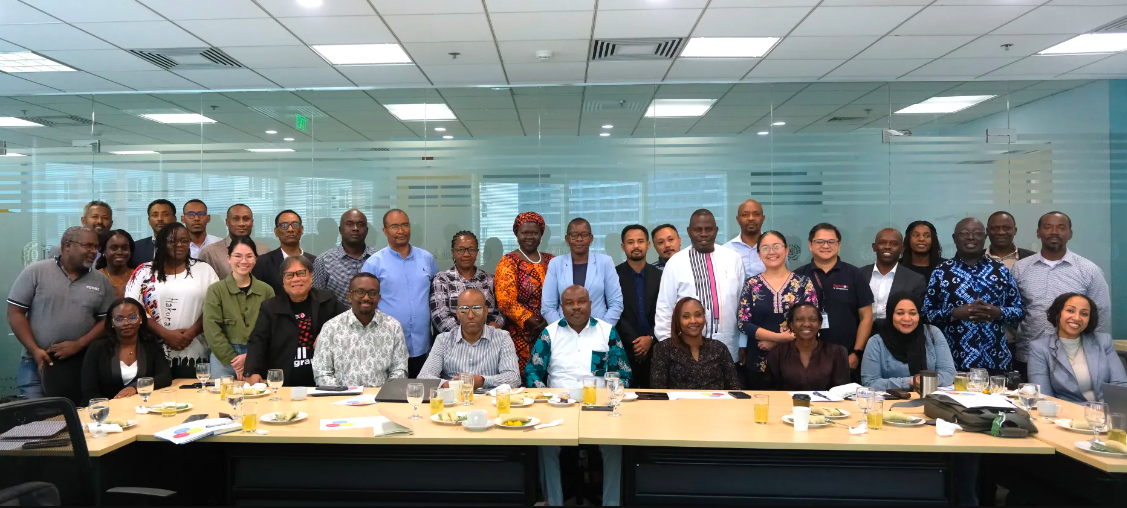
From 2 to 6 February 2026, 26 (9 Female) senior government officials and social partner representatives from Ethiopia, Kenya, Somalia, Tanzania and Uganda, as well as EAC and IGAD, participated in a regional learning visit to the Philippines. Organised under the ILO Better Regional Migration Management (BRMM) Programme, the visit aimed to expose participants to the Philippines’ well-established labour migration governance system, encompassing regulation, protection, reintegration, and social dialogue. The visit provided a practical platform for benchmarking policies, institutions, and operational systems relevant to the East and Horn of Africa.
Under BRMM Phase II, the ILO supports countries in improving labour migration governance through strengthening evidence-based policymaking, promoting fair recruitment practices, skills development and recognition, reintegration and institutional coordination and capacity building. The Philippines, widely recognised for its comprehensive labour migration system, was identified as a strategic learning destination.
The learning visit commenced with a briefing session on 2 February 2026, introducing objectives and providing an overview of the Philippine employment creation strategy, including the labour migration system and labour market systems. Participants engaged constructively with the Department of Labour and Employment, focusing on the overall policy framework and inter-agency coordination.
The delegation held a session with the ILO Office in the Philippines, which provided an overview of ILO operations under the UN Sustainable Development Cooperation Framework and the Decent Work Country Programme (Philippine Labour and Employment Plan). The ILO highlighted its priority areas, including employment policy development, just transition, digital and green skills, MSME enterprise development, digital wages and social security access, labour administration reform, occupational safety and health, and the elimination of child and forced labour. The session also emphasized the role of labour standards and social dialogue, focusing on freedom of association, strengthening workers’ and employers’ organizations, tripartism, and compliance with international labour standards, alongside alignment with ICLS outcomes and digital transformation of labour administration. On labour migration and recruitment governance, the ILO shared experiences on monitoring systems to combat trafficking, regulation of recruitment agencies, bilateral social security agreements, skills training programmes, and promotion of fair recruitment practices, noting the establishment of the Department of Migrant Workers as a key institutional reform to strengthen protection and responsiveness to the needs of overseas Filipino workers.
On 3 February, the delegation met with the Department of Migrant Workers to examine overseas employment administration, regulation of private recruitment agencies, migrant welfare services, and reintegration programmes. The Overseas Workers Welfare Administration (OWWA) session focused on regulating and monitoring recruitment agencies, digital surveillance of job orders, licensing systems, and enforcement mechanisms against illegal recruitment.
Subsequent days addressed skills development, qualifications recognition, fair recruitment practices, social partner engagement, civil society roles, and concluded with a debrief consolidating lessons learned and developing country-level and regional-level action plans.
The learning visit strengthened participants’ understanding of institutionalising labour migration governance through clear mandates, specialised institutions, and sustained inter-agency coordination. Delegates gained insights on regulating recruitment, preparing workers for departure, delivering welfare and services abroad, and supporting reintegration upon return. The Philippine experience illustrated alignment of migration governance with national development objectives while safeguarding workers’ rights. Participants identified transferable practices for bilateral cooperation, skills recognition, and social dialogue and began outlining priority actions to adapt lessons learned to their national contexts.
The visit concluded with a joint reflection session, consolidating lessons learned and agreeing on next steps for applying insights at the country level. The outcomes will inform ongoing BRMM -support, including policy development, fair recruitment initiatives, and institutional strengthening, while reinforcing the importance of regional exchange and cooperation for safe, regular, and rights-based labour migration governance in the East and Horn of Africa.