
African Migrant Resource Centres strengthen cooperation to support migrant workers
Posted at May 25th 2026 12:00 AM | Updated as of May 25th 2026 12:00 AM
Region/Country : Africa
|Themes : Migrant workers, Labour migration
The International Labour Organization and its partners have agreed on a regional framework to strengthen cooperation among Migrant Resource Centres across Africa, helping improve access to information, protection, referrals and support services for migrant workers throughout the migration cycle.
The International Labour Organization (ILO) and its partners have taken an important step towards strengthening protection and support for migrant workers across Africa by agreeing on a regional framework to improve coordination and peer learning among Migrant Resource Centres.
The framework is expected to help centres share practical experience, strengthen referral systems, document good practices and provide more consistent, gender-responsive and rights-based services to migrant workers before departure, while abroad and upon return.
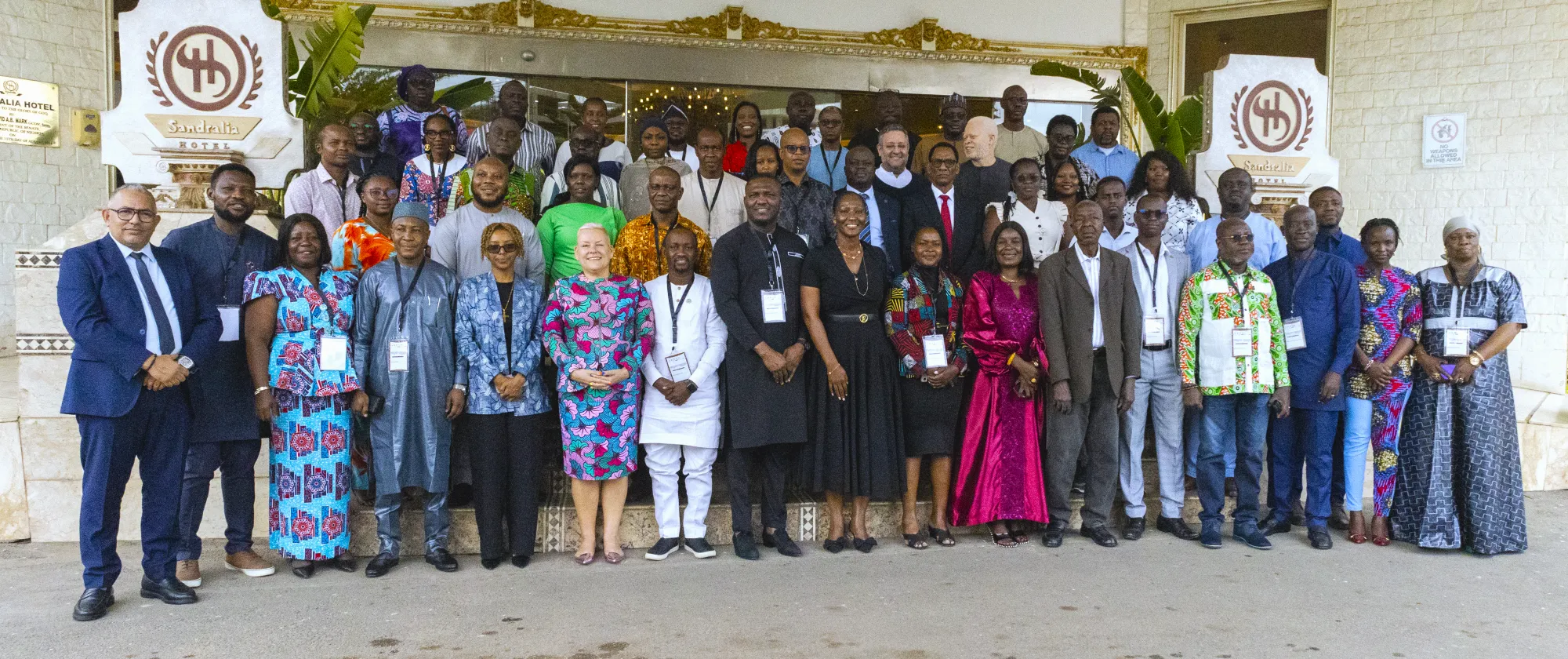
The agreement came at the close of a regional workshop held from 18 to 20 May 2026 in Abuja, Nigeria. The workshop was convened by the ILO and the International Trade Union Confederation Africa (ITUC-Africa), through the Africa Trade Union Migration Network (ATUMNET).
It brought together participants (37 F), representing governments, employers’ and workers’ organizations, civil society organizations, migrant worker associations and development partners from across the continent.
Across Africa, Migrant Resource Centres have become important entry points for workers seeking information, legal assistance, referral services, psychosocial support, pre-departure orientation and reintegration assistance. However, many centres operate under different institutional models, including government, trade union and civil society structures, with limited opportunities for coordination and peer exchange.
With an estimated 25 million migrant workers in Africa, participants underlined the need to move from isolated initiatives to a more coordinated continental approach that can improve the quality, consistency and reach of services available to migrant workers and their families.
"Migrant workers contribute to families, communities and economies across Africa. But too many still face abuse, misinformation, unfair recruitment practices and limited access to support when things go wrong. By strengthening Migrant Resource Centres and connecting them more effectively, we can help ensure that migrant workers receive practical support, know their rights and are treated with dignity throughout the migration journey.”
Dr Vanessa Phala, ILO Country Director for Nigeria, Ghana, Liberia and Sierra Leone.
The workshop combined technical sessions with practical peer exchange between government-led and trade union-operated centres. Discussions covered international labour standards, fair recruitment, gender-responsive service design, access to justice, outreach strategies, monitoring and evaluation, reintegration support and pre-departure orientation.
Participants also examined how Migrant Resource Centres can better respond to the specific needs of women migrant workers, young migrants, domestic workers and returnees, who may face heightened risks of abuse, isolation, skills mismatch or limited access to remedies.
The experiences of migrant workers were central to the discussions. Sophia Amimo, a former Kenyan domestic worker employed in Saudi Arabia, Qatar, the United Arab Emirates and Bahrain, shared first-hand insights into gaps in emergency support, pre-departure information, reintegration services and recognition of skills acquired abroad. Her testimony helped ground the discussions in the lived realities of migrant workers and reinforced the need for practical, worker-centred services.
"Migrant Resource Centres have become strategic platforms for providing guidance, protection, information and support services to migrant workers and their families. Fair and ethical labour migration systems contribute significantly to productivity, enterprise sustainability, industrial harmony and economic development."
Olajide Afolabi, Executive Secretary of the Employers Association for Private Employment Agencies of Nigeria, on behalf of the Nigeria Employers’ Consultative Association
A key outcome of the workshop was the validation of a regional coordination and peer learning strategy framework for Migrant Resource Centres in Africa. The framework will guide future collaboration among centres, support the exchange of good practices and contribute to more coherent and effective services for migrant workers across the continent.
Participants also agreed on follow-up actions to strengthen collaboration among Migrant Resource Centres, document good practices, improve referral mechanisms and promote continued dialogue among governments, employers’ and workers’ organizations, civil society and migrant worker associations.
By improving coordination among Migrant Resource Centres, the ILO and its partners aim to support labour migration systems that protect rights, respond to workers’ real needs and contribute to safer, fairer and more inclusive labour migration across Africa.