

Dignity in service through Tanzania's domestic work transformation
Posted at May 19th 2026 12:00 AM | Updated as of May 19th 2026 12:00 AM
Region/Country : United Republic of Tanzania
|Thèmes : Domestic work, Labour migration
Validating Tanzania’s proposed domestic work curriculum to give greater structure, recognition, and standards to a sector that employs many women and young people.
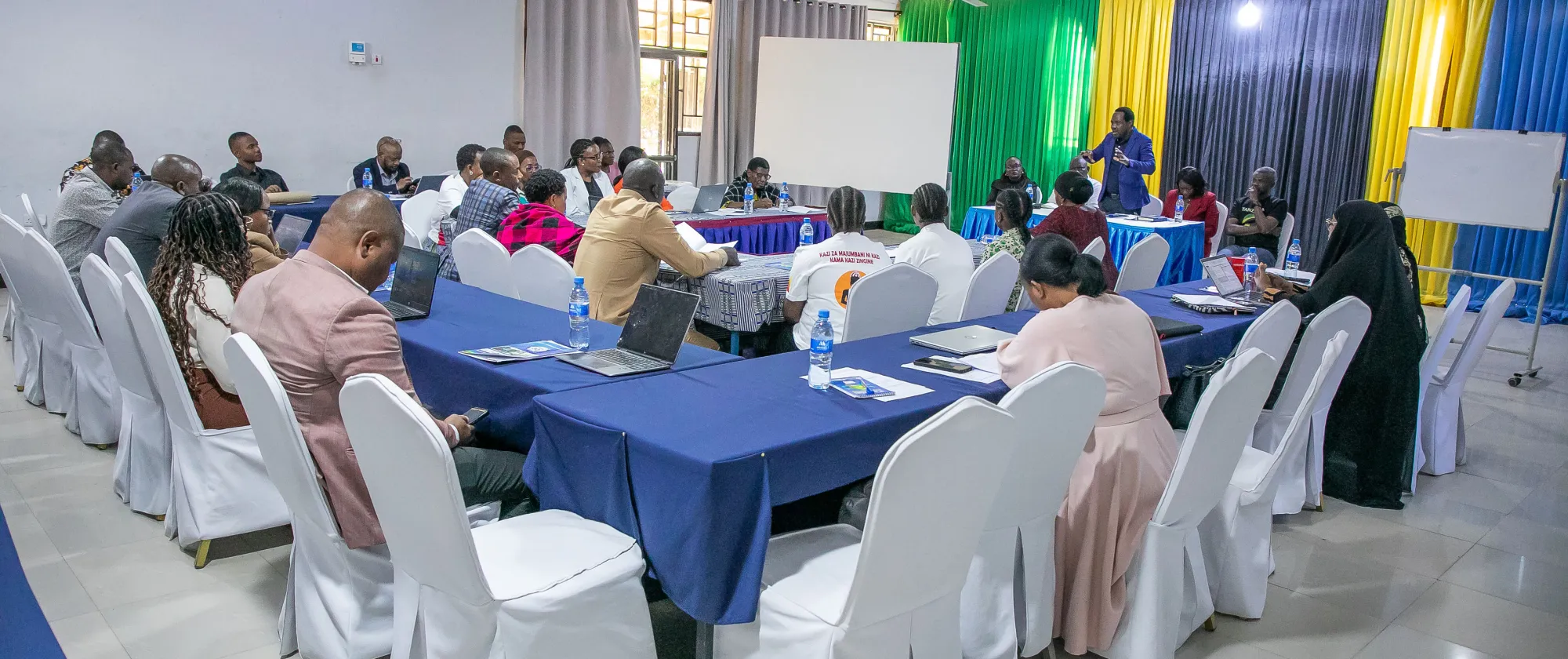
On 15 and 16 May 2026, the Tanzanian Vocational Education and Training Authority (VETA), in partnership with the International Labour Organization (ILO) through the Better Regional Migration Management (BRMM) Programme funded by the UK Foreign, Commonwealth and Development Office (FCDO) and the Improving the Recognition and Working Conditions of Domestic Workers as Care Workers in Tanzania Project, convened a Stakeholders' Consultative Workshop in Dodoma to review and validate the Domestic Work Curriculum for National Vocational Award (NVA) Levels 1-3. The workshop brought together 25 representatives (13 female) from training institutions, employers' associations, workers' organizations, civil society, domestic workers, and government agencies to ensure the curriculum reflects current labour market demands and international employment standards.
Domestic work remains one of Tanzania's major employment sectors, particularly for women and youth, both domestically and internationally. However, the sector continues to operate largely informally without adequate professional recognition or protection. A comprehensive labour market analysis involving 277 respondents across five regions (Dar es Salaam, Dodoma, Arusha, Mwanza, and Mbeya) identified critical competency gaps. It revealed that employers increasingly prefer trained and certified domestic workers. The curriculum development initiative responds to these findings by establishing a competency-based framework aligned with national, regional, and international labour standards.
“Domestic work, which was previously perceived as ordinary or informal work, now requires professional competencies, creativity, discipline and adherence to international standards due to the changing nature of the global labour market.”
Mr. Ally Bwire, Acting Director for Vocational Education and Training at VETA
The proposed curriculum covers technical competencies, including housekeeping, food preparation, childcare, elderly care, and operation of modern household equipment, alongside essential soft skills such as communication, professionalism, and customer care. The two-year programme offers flexible delivery options, including full-time study and apprenticeship-based approaches, to accommodate working domestic workers. The curriculum integrates components on labour rights, fair recruitment, migration awareness, and legal protections to support workers seeking employment abroad.
Participants emphasized the need to strengthen childcare modules, establish practical training facilities, and integrate digital learning platforms. Government representatives committed to ensuring recommendations are incorporated and engaged with relevant institutions to facilitate future recognition of graduates. The finalized curriculum is expected to formalize domestic work, improve worker protection, and enhance employment opportunities both nationally and internationally.