

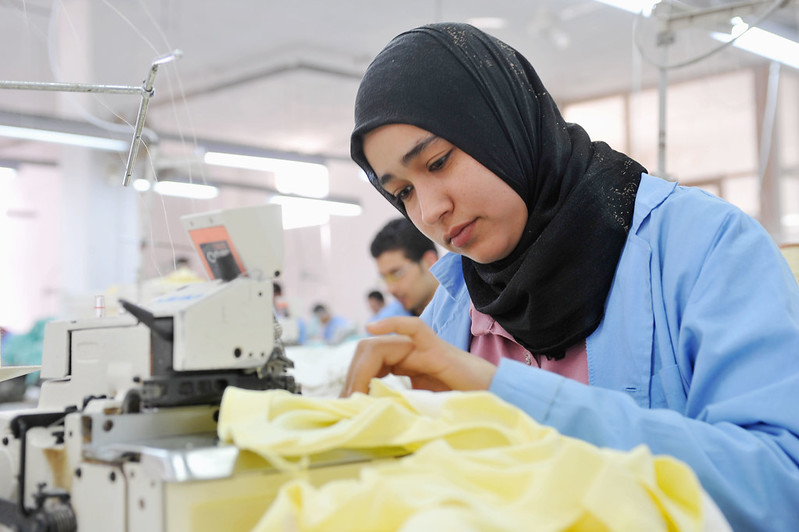
Ensuring gender equality in recruitment
Discover a repository of resources at the intersection of gender and recruitment, within and across international borders, such as policy and research briefs, regional and country reports, latest data, upcoming events and news on the topic.
Read More
Business and private sector engagement
Fair recruitment helps to create decent work, provides new job opportunities, and improves labour market functioning. It also helps to prevent labour and human rights violations, including discrimination, which occur during the recruitment process that can lead to situations of forced labour such as deception, illegal retention of documents, and worker debt resulting from the payment of recruitment fees and related costs, among others.
Read More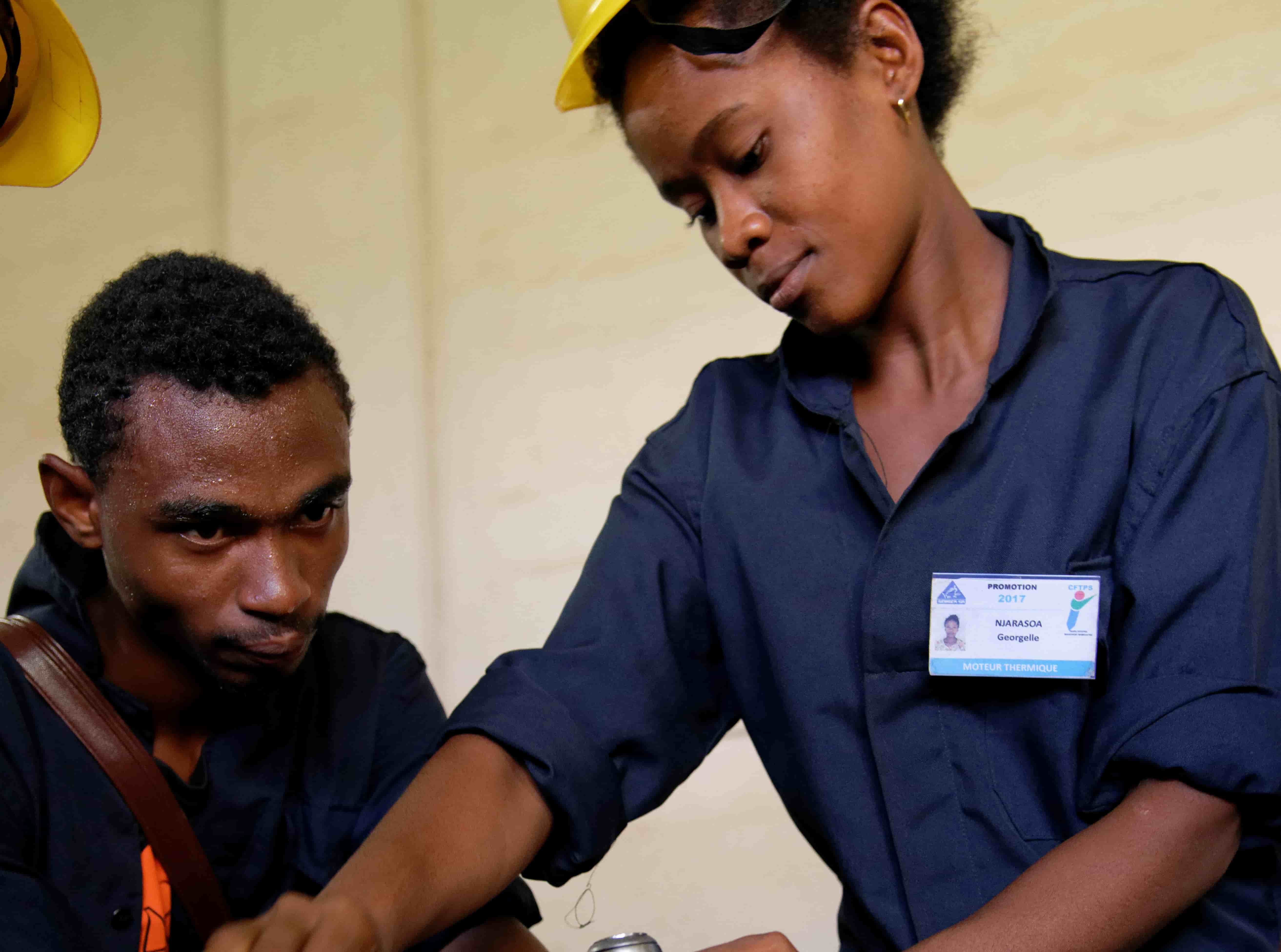
Empowering and protecting workers
Explore and exchange on how workers organizations can enhance their action to build migrant workers power, monitor recruitment practices, tackle abuses and advocate for improved policies and regulations.
Read More
Promoting Labour Inspection’s role on recruitment
Labour inspectorates can play a critical monitoring and enforcement role on fair recruitment. Tools, guidance and peer to peer exchange and support are needed to enhance their capacities to address recruitment related challenges.
Read More
Innovating for fair recruitment: harnessing the potential of digitalization
Digital applications, virtual gaming, behavioral insights, AI powered chat-bots… all of these are innovative approaches that stakeholders can leverage to improve recruitment processes and promote fair practices, facilitate safe and regular migration, and prevent risks of forced labour and other abuses to decent work.
Read More
Access to Justice
The recruitment of migrant workers should take place in a way that respects, protects and fulfils internationally recognised human rights. When these rights are violated, workers irrespective of their legal status, gender, religion ethnicity, caste or any other social or economic considerations should have access to appropriate and effective remedies. Migrant workers can face a number of obstacles securing remedies for recruitment abuses even when, in principle, their legal rights are established in law.